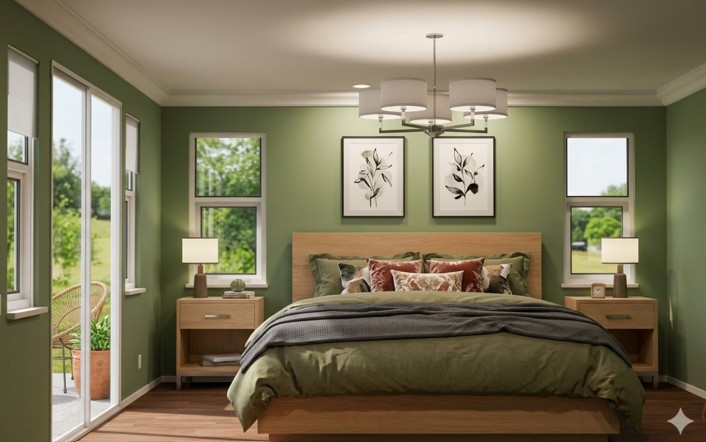
Fully Furnished vs. Unfurnished: The Ultimate Landlord Guide to Rental Yields and Net Savings
When preparing a property for the Malaysian rental market, landlords face a critical decision: invest cash upfront to fully furnish the unit or list it as a bare (unfurnished) property.
While a fully furnished home commands premium rent on paper, it introduces hidden costs like appliance maintenance, wear-and-tear depreciation, and higher tenant turnover. Conversely, an unfurnished property cuts your initial expenses but caps your maximum rental income.
At the end of the day, the option that delivers the highest return and savings depends heavily on your property type and target location.
1. Understanding the Definitions
In the Malaysian real estate market, properties generally fall into two main categories:
- Fully Furnished: A move-in-ready unit equipped with major appliances (fridge, washing machine, air conditioners, water heaters) and all essential furniture (sofa, dining set, beds, wardrobes, television).
- Unfurnished (Bare/Basic): A bare unit containing only the fixtures provided by the developer, such as basic lighting, ceiling fans, and standard bathroom tiling.
(Note: Partially furnished is a middle ground that typically includes kitchen cabinets, curtains, air conditioners, and water heaters, leaving the bulky loose furniture to the tenant).
2. Fully Furnished Properties
Advantages
- Higher Rental Premiums: Fully furnished units in high-density urban zones (like Kuala Lumpur City Centre, Bangsar, or Mont Kiara) command a 10% to 20% rental premium—often translating to an extra RM300 to RM600 per month compared to bare units.
- Faster Onboarding (Lower Vacancy Risk): Young professionals, corporate expats, and university students prioritize convenience. A move-in-ready unit rents out much faster, protecting you from months of unpaid mortgage holding costs.
- Larger Security Deposits: Because the monthly rent is higher, the standard Malaysian "2.5-month deposit" (2 months security + 0.5 month utility) results in a larger cash cushion held in your bank account.
Drawbacks
- High Upfront Capital Outlay: Furnishing a standard 3-bedroom condominium properly with durable, rental-grade furniture easily costs between RM15,000 to RM30,000.
- The Maintenance Squeeze: You are legally responsible for repairing everything you provide. Air conditioner servicing (RM80–RM120 per unit twice a year), broken washing machines, and torn sofa fabrics will eat directly into your monthly cash flow.
- Higher Tenant Turnover: Tenants who rent furnished units tend to stay for shorter periods (1 to 2 years) because they can pack up and leave easily, exposing you to more frequent vacancy gaps and agent commission fees.
3. Unfurnished Properties
Advantages
- Maximum Cash Savings Upfront: You preserve your capital. Your upfront cash layout is close to zero, allowing you to channel funds into other investments or down payments.
- Zero Furniture Maintenance Overheads: If the tenant breaks their own sofa or bed frame, it is entirely their financial responsibility. You face far fewer midnight repair calls and zero move-out deposit disputes over damaged furniture.
- Longer, Highly Stable Tenancies: Unfurnished properties attract families or long-term occupiers who own their furniture. Because moving bulky items via transport lorries is expensive and stressful, these tenants routinely renew their leases for 3 to 5+ years.
Drawbacks
- Lower Rental Income Ceiling: You miss out on the top-tier rental rates of your building, effectively hitting a hard ceiling on your gross monthly returns.
- Smaller Tenant Pool in Urban Centers: Modern renters in transit-oriented developments near MRT/LRT stations often refuse to buy furniture, causing bare units to sit empty on the market for longer stretches.
📊 Side-by-Side Comparison
| Feature |
Fully Furnished |
Unfurnished (Bare) |
| Upfront Cost |
High (RM15k - RM30k) |
Very Low / None |
| Rental Pricing Power |
Premium (+10% to 20%) |
Base Market Rate |
| Average Tenant Lease |
Short-term (1–2 years) |
Long-term (3–5+ years) |
| Maintenance Burden |
High (Appliance & furniture wear) |
Minimal (Structural only) |
| Move-Out Disputes |
Common (Inventory check issues) |
Rare (Empty hand-back) |
4. The Verdict: Which Gives Better Returns and Savings?
To identify which path yields more profit, you must calculate the Net Rental Yield (which takes into account vacancy and maintenance) rather than just looking at the top-line gross rent.
The absolute winner comes down to a strict rule of Property Type and Geography:
The Winner for Condos & Serviced Apartments: Fully Furnished
If your property is a high-rise condo located in a prime urban hub (e.g., Kuala Lumpur, Petaling Jaya, Subang Jaya) or near universities and transit lines, fully furnished gives you a higher long-term return.
The Financial Math: While you spend RM20,000 upfront, a monthly premium of RM500 generates an extra RM6,000 annually. You completely break even on your furniture investment by year 3 to 4. From year 5 onward, that premium turns into pure net profit that a bare unit could never match. More importantly, it keeps your vacancy rate low.
The Winner for Landed Properties: Unfurnished
If your property is a double-story terrace house, semi-D, or located in suburban residential neighborhoods (e.g., Shah Alam, Rawang, or outer state regions), unfurnished gives you higher net savings and better returns.
The Financial Math: Landed home renters are predominantly families who already own bulky furniture and want to customize their living space. Furnishing a large landed house can easily cost upwards of RM40,000, yet suburban markets will rarely pay a rental premium high enough to justify that expense. Leaving it unfurnished saves your capital, eliminates high maintenance bills, and locks in highly reliable, multi-year tenants.